Keeping Your Feeders Busy (Without Overthinking It)
The Short Version
You don’t have to feed birds “perfectly” to enjoy the hobby
Smaller amounts more often usually works better than overfilling
Fresh seed and clean feeders matter more than exact timing
Birds tend to be most active in the morning and before sunset
Rain happens—just keep an eye on wet or clumped seed
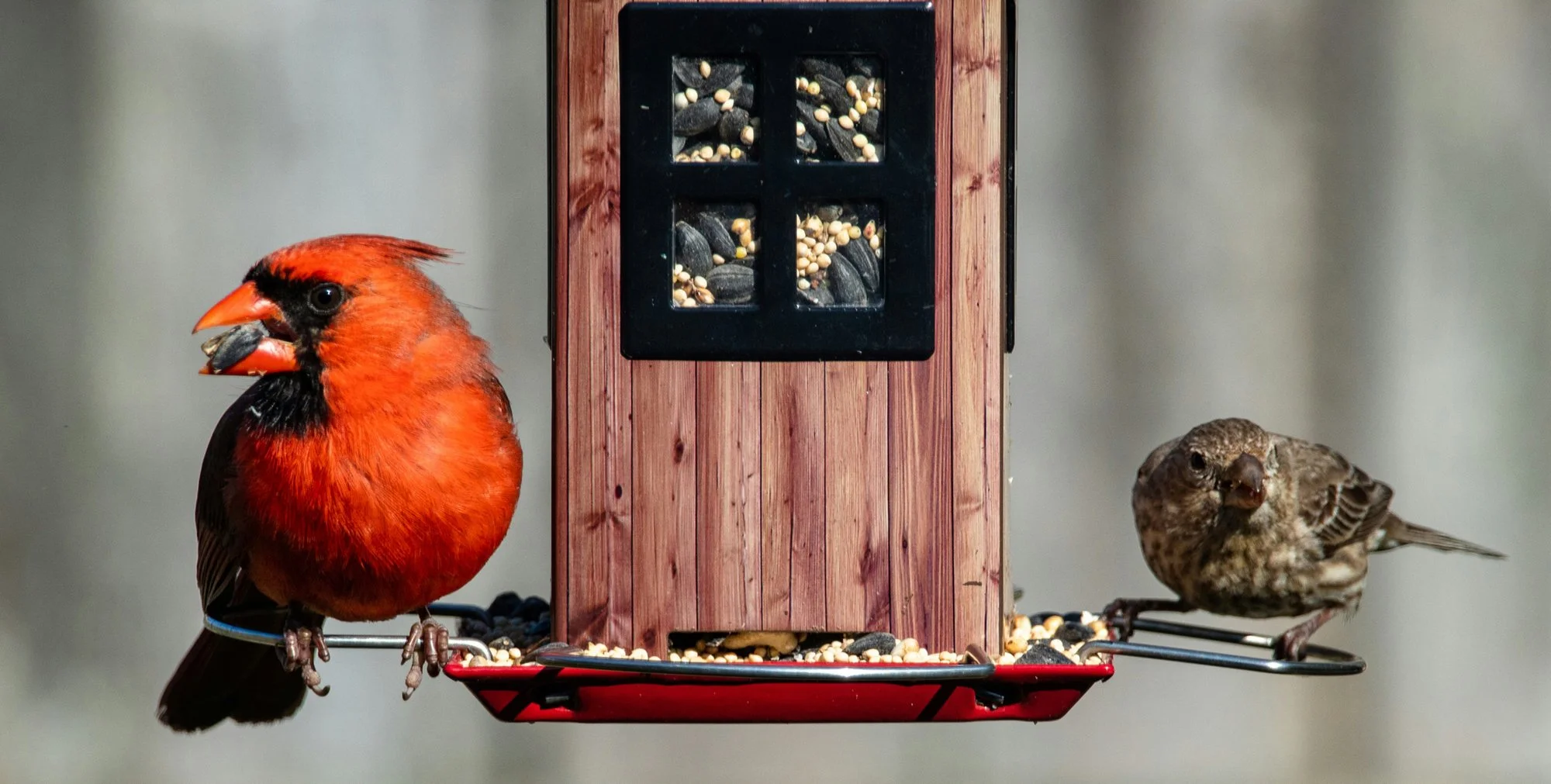
One of the funny things about feeding birds is that almost everyone thinks they’re doing it wrong at first.
“How often should I refill feeders?”
“What time of day should I feed them?”
“What if the seed gets wet?”
“Am I putting out too much?”
The honest answer to a lot of these questions is:
“It depends.”
Bird feeding is a little bit science, a little bit observation, and a little bit “choose your own adventure.” It’s really pretty easy and birds are quite forgiving.
There are definitely some practical things that help—but there’s also a lot of room to figure out what works best for your yard, your birds, and your routine.
How Often Should You Refill Feeders?
There’s no exact schedule. Most people look out and see empty feeders and think, “Oh, the birds must be hungry…” which is totally fine. You will see them come around after they are empty for a little while before they move on to another yard. Leave them empty too long, and it can take longer to get them back.
Some people refill every day because they love the activity. Others top things off every few days.
In general:
smaller amounts more often tends to work best
it keeps seed fresher
and helps reduce waste, especially in warmer or wetter weather
If feeders are staying full for long periods, you’re probably putting out more than birds are eating. If they’re empty constantly, you may just have a very active yard. Keep them coming!
The birds usually tell you pretty quickly what’s working.
Does Time of Day Matter?
A little.
Most backyard birds are busiest:
early in the morning
and again before sunset
That’s when feeders tend to see the most activity.
But honestly, birds will eat throughout the day once they know your yard is a reliable food source. A lot of people also prefer feeding during the day simply because that’s when birds are active—and when we actually get to enjoy seeing them.
At night, you’re more likely to attract critters like raccoons, possums, and deer.
Consistency matters more than exact timing, but daylight feeding tends to create the best overall experience for both people and birds.
What Happens If Seed Gets Wet?
Rain is normal. Birds deal with weather just fine.
The bigger concern is seed sitting wet for too long, especially in feeders that don’t drain well.
Wet seed can:
clump together
spoil faster
or grow mold over time
A quick check after heavy rain usually goes a long way. Sometimes just shaking feeders out or replacing damp seed is enough.
Freshness matters more than people think.
How Full Should Feeders Be?
A lot of people assume fuller is better.
Not always.
Overfilling can:
lead to more waste
make seed sit too long
and attract unwanted critters
A moderate amount that birds are actively eating is usually the sweet spot. Think of it more like keeping feeders active than keeping them overflowing.
Do Feeders Need to Be Cleaned?
Yes—but it doesn’t have to become a whole project.
Even a quick rinse and occasional deeper clean helps.
Birds are pretty resilient, but clean feeders:
keep seed fresher
reduce buildup and mold
and simply create a healthier feeding environment
Most people naturally settle into a routine that works for them.
There Isn’t Just One “Right Way”
That’s part of why people end up enjoying this hobby so much.
Some people:
love having a highly active backyard
experiment with different feeders and seed types
or try attracting specific birds like bluebirds, hummingbirds, finches, or woodpeckers
Others just enjoy seeing a few cardinals while drinking coffee in the morning.
Both are perfectly valid.
A lot of bird feeding is simply paying attention, making small adjustments, and enjoying whatever shows up.
If You’re Unsure About Something…
You’re definitely not the only one asking.
Most bird feeding questions are more common than people think, and usually there’s a pretty simple solution.
And honestly, sometimes the best approach is just:
try something, watch what happens, and adjust from there.
That’s half the fun of it.
If you ever have questions about your setup, feeders, seed, or what’s showing up in your yard, feel free to stop in and ask.
You can also send us a question here: Contact Us
by Shawna Mackura, Owner, Wild About Birds Milford