Mealworms… Really? (Yes. And Here’s Why I Use Them Anyway)
The Short Version
Mealworms are a high-protein food that bluebirds and other insect-eating birds love
Dried mealworms are easy to store and less intimidating than live ones
Soaking dried mealworms in warm water can help during nesting season
A small tray feeder or shallow dish is enough to get started
Once birds find them, they tend to keep coming back
I’ll be honest—mealworms aren’t exactly something I ever thought I’d be excited about.
If you’ve seen them, you probably know what I mean.
But… I still use them.
Because I love bluebirds.
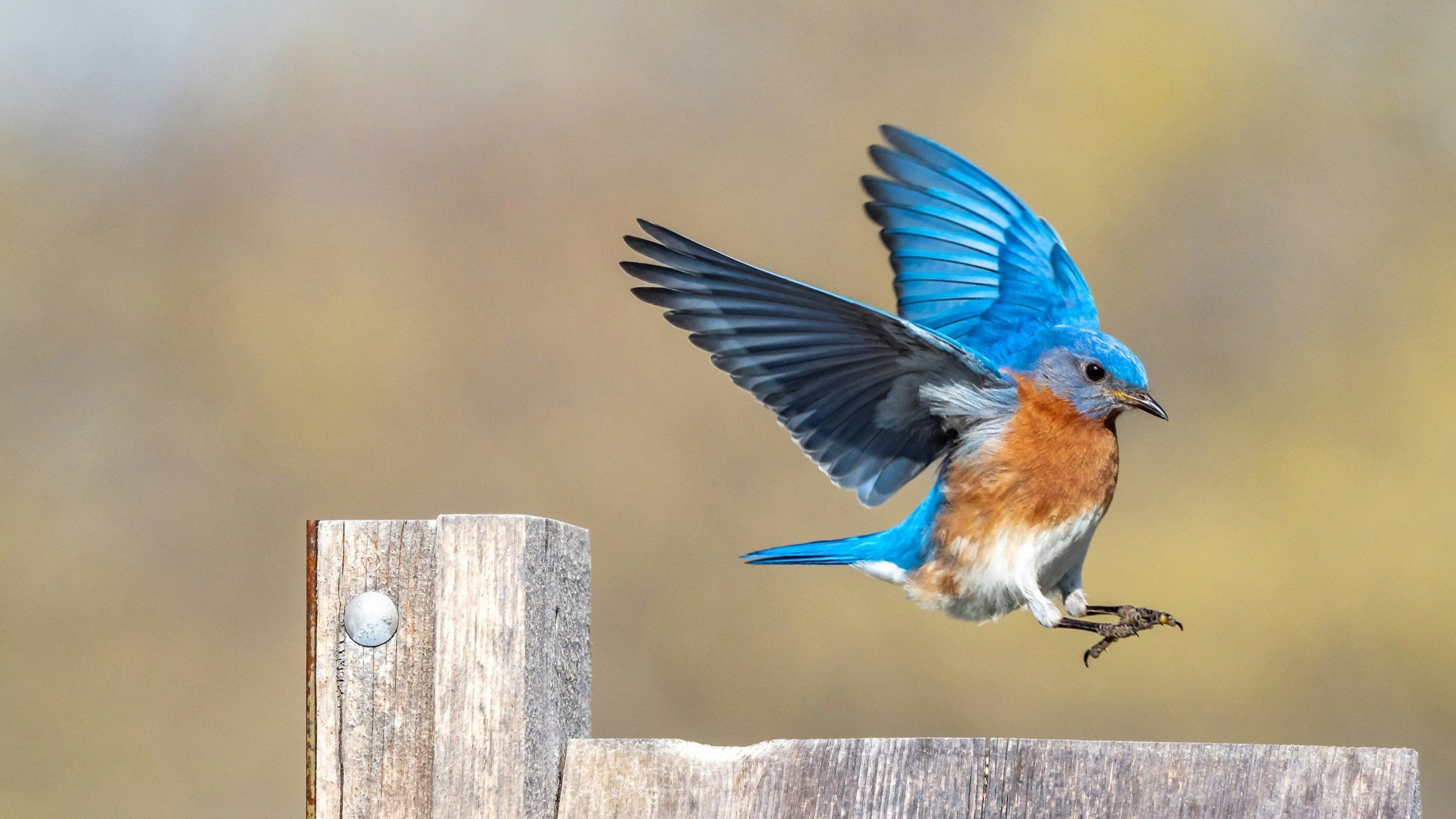
And once you see them show up—especially up close, especially regularly—it kind of changes your perspective.
What They Actually Are (and Why Birds Love Them)
Mealworms are the larval stage of the darkling beetle. Not glamorous—but for birds, they’re basically a high-protein snack.
They’re especially helpful for:
bluebirds
robins
chickadees
wrens
woodpeckers
Most of these birds eat insects naturally, so mealworms are just an easy way to offer something they’re already looking for.
“Do I Have to Use Live Ones?”
No.
A lot of people (myself included) prefer dried mealworms.
They’re:
easier to store
less intimidating
still effective
If you want to take it one step further, you can soak dried mealworms in warm water for a few minutes until they’re soft and plump—this is especially helpful during nesting season.
Young birds (like baby bluebirds) shouldn’t be fed dry, brittle mealworms, so softening them makes a big difference.
How I Use Them at Home
I keep things pretty simple.
A small dish or feeder near where I can see it from the porch, and I’ll put out a handful at a time.
There are specialized feeders for mealworms, but you don’t need to start there. A shallow container works just fine—just make sure dried mealworms can’t blow away.
If you’re using live mealworms, the container needs to have smooth, straight sides so they can’t climb out.
It doesn’t take much.
Once birds find them, they tend to come back—and that’s where it gets fun.
A Few Simple Tips That Make a Difference
Start with a small amount (they go fast once discovered)
Use a shallow dish or dedicated feeder
Place them somewhere visible but a little protected
Early morning is often the best time to catch insect-eating birds active
Try soaking dried worms if you’re trying to attract bluebirds or during nesting season
If you decide to use live mealworms:
keep them cool (the refrigerator is perfect—around 40–50°)
don’t let them freeze
if storing for a while, feed them a small amount of wheat bran, oatmeal, or cornmeal
What to Expect
This isn’t always an instant thing.
Sometimes it takes a little time for birds to find them.
But once they do:
you’ll start seeing repeat visits
often the same birds
and sometimes a lot more activity than you expected
This works best when you’re trying to attract specific birds—not just general feeder traffic.
If You’re Curious…
If you’ve never tried mealworms before, you’re not alone.
I get the hesitation.
But if you’re hoping to attract bluebirds—or just want to try something a little different—it’s a pretty easy place to start.
And if nothing else, it’s one of those things that’s a lot more interesting once you see it in action.
by Shawna Mackura, Owner, Wild About Birds Milford