Hummingbirds in Ohio: Fun Facts, Feeding Tips, and How to Attract Them
The Basics…
Put feeders out in April—early is better than late
Place feeders in a quieter area, away from other feeders
Keep nectar fresh (change every 2–3 days in warm weather) - cloudy nectar is bad!
Once they find your yard, they’ll come back often
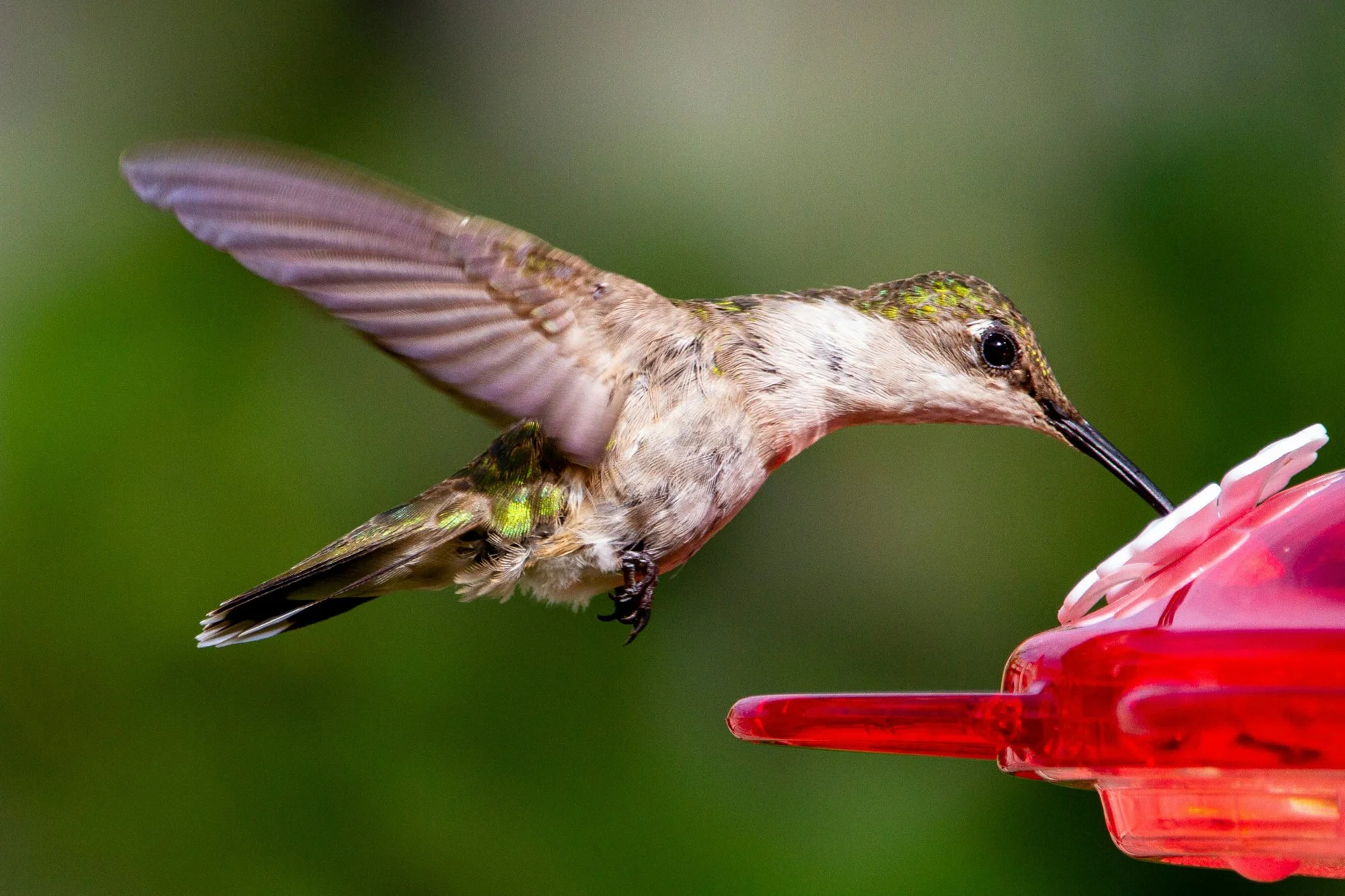
Every spring, I catch myself doing the same thing.
I’ll be standing at the front window, or sitting out on the porch with my coffee, looking around and thinking:
“Are my friends here yet?”
I know they’re on their way … and I can’t handle the anticipation.
Hummingbirds have always been one of my favorites (I even have hummingbird tattoos), and once they show up, they quickly become part of my daily routine. I’ll usually see the same couple of birds making their rounds, stopping in, chasing each other off, and then coming right back again. They have such beauty and personality!
And once they start visiting your yard, you might start to agree.
A Few Fun Things to Know
Hummingbirds are small, but they’re pretty incredible once you start paying attention.
Their wings beat around 50–70 times per second
They can hover, fly backward, and change direction instantly
Many travel hundreds—sometimes over a thousand—miles during migration
Males are usually the ones with the bright, iridescent colors
They’re surprisingly territorial for such a small bird
You’ll start to notice their vibe pretty quickly—especially when more than one shows up.
What They’re Looking For
In nature, hummingbirds feed on nectar from flowers, along with small insects for protein.
In your yard, they’re really just looking for two things:
a reliable nectar source
a place that feels consistent and safe
Once they find both, they tend to come back often throughout the season—and year after year.
My Setup (and What I’ve Learned)
At our house, I keep hummingbird feeders mostly out front, separate from the rest of our feeders in the backyard. I do have one in the back that also gets used by the downey woodpeckers and occasionally orioles!
That’s worked really well for me.
They seem to prefer a quieter space, and having them near the front porch makes it easy to sit and watch. Most evenings, I’ll see them come through in pairs, doing their quick loops before settling in to feed. Honestly as long as your hummingbird feeders are kept clean and filled with fresh nectar, you should be fine.
I also like to plant petunias and other tubular style flowers around that area, and I’ve noticed they’re drawn to those as well. Other plants like bee balm and salvia can help too, but honestly, you don’t need much to get started.
Feeding Them (Simple Is Best)
You don’t need anything complicated here.
A basic feeder and nectar is enough to get going.
You can:
make your own nectar (1 part sugar to 4 parts water, no dye)
or use an easy mix powder or ready to use liquid if you want something more convenient
Both work. The biggest thing is just keeping it fresh and clean.
Keeping Them Coming Back
Once hummingbirds find your feeder, consistency matters more than anything.
Change nectar every couple of days, especially in warmer weather
Clean feeders regularly-typically just hot water and a brush work well
Keep it filled once they start visiting
It doesn’t take much, but it makes a big difference.
What to Expect
When hummingbirds settle into a yard, they tend to follow patterns.
You’ll start to notice:
repeat visits throughout the day
quick chases and little “air battles”
one bird trying to claim the feeder
They bring a lot of energy for something so small—and they’re just fun to have around.
If You Want Help Getting Started
You really don’t need much to begin—a feeder, some nectar, and a little consistency goes a long way.
If you’re not sure what setup makes sense for your yard, feel free to stop in or reach out—I’m always happy to help.
And fair warning—once they show up, you might find yourself checking for them more often than you expected.
by Shawna Mackura, Owner, Wild About Birds Milford