Want More Goldfinches? What to Know About Nyjer and Finch Feeders
The Basics…
Goldfinches love small seeds, especially Nyjer and sunflower chips.
“Thistle” and Nyjer are often used to mean the same thing, but Nyjer is not actually thistle.
Nyjer is a tiny, oil-rich seed that needs to stay fresh and dry.
Finch feeders have smaller openings because the seed is so small.
Mesh, screen, sock, and small-port tube feeders can all work well.
If birds suddenly stop eating Nyjer, freshness or moisture is often the reason.
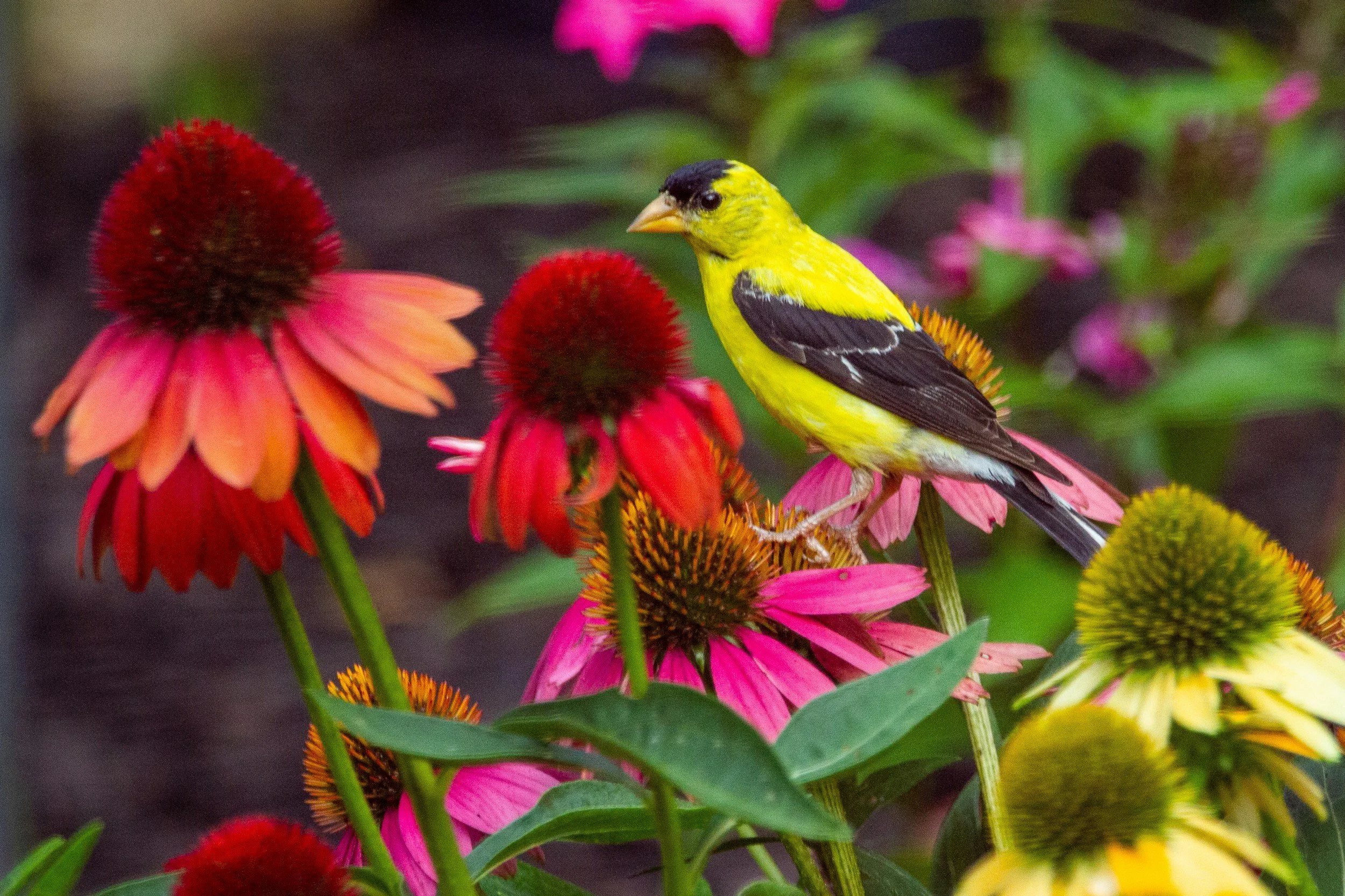
There’s something really fun about seeing goldfinches show up at a feeder.
They’re small, bright, active, and a little bit social. Once they find a food source they like, they can turn a quiet corner of the yard into a busy little hangout.
But finch feeding also comes with a few questions.
What is Nyjer?
Is it the same thing as thistle?
Why does it need a special feeder?
And why does it sometimes seem like finches love it one week and ignore it the next?
Let’s keep it simple.
What Kind of Finches Might You See?
Around our area, the finch most people recognize first is the American goldfinch. In spring and summer, the males turn that bright yellow color people love to see. Females are more muted, but still beautiful once you know what to look for.
You may also see house finches, which have a reddish color around the head and chest, especially on the males. Depending on the season and what’s moving through, you might also spot pine siskins. They’re smaller, streakier, and not as flashy, but they often show up around finch feeders too.
Finches are fun because they don’t usually arrive alone. If your feeder gets popular, you may see several at once, taking turns, fussing at each other, and coming back throughout the day.
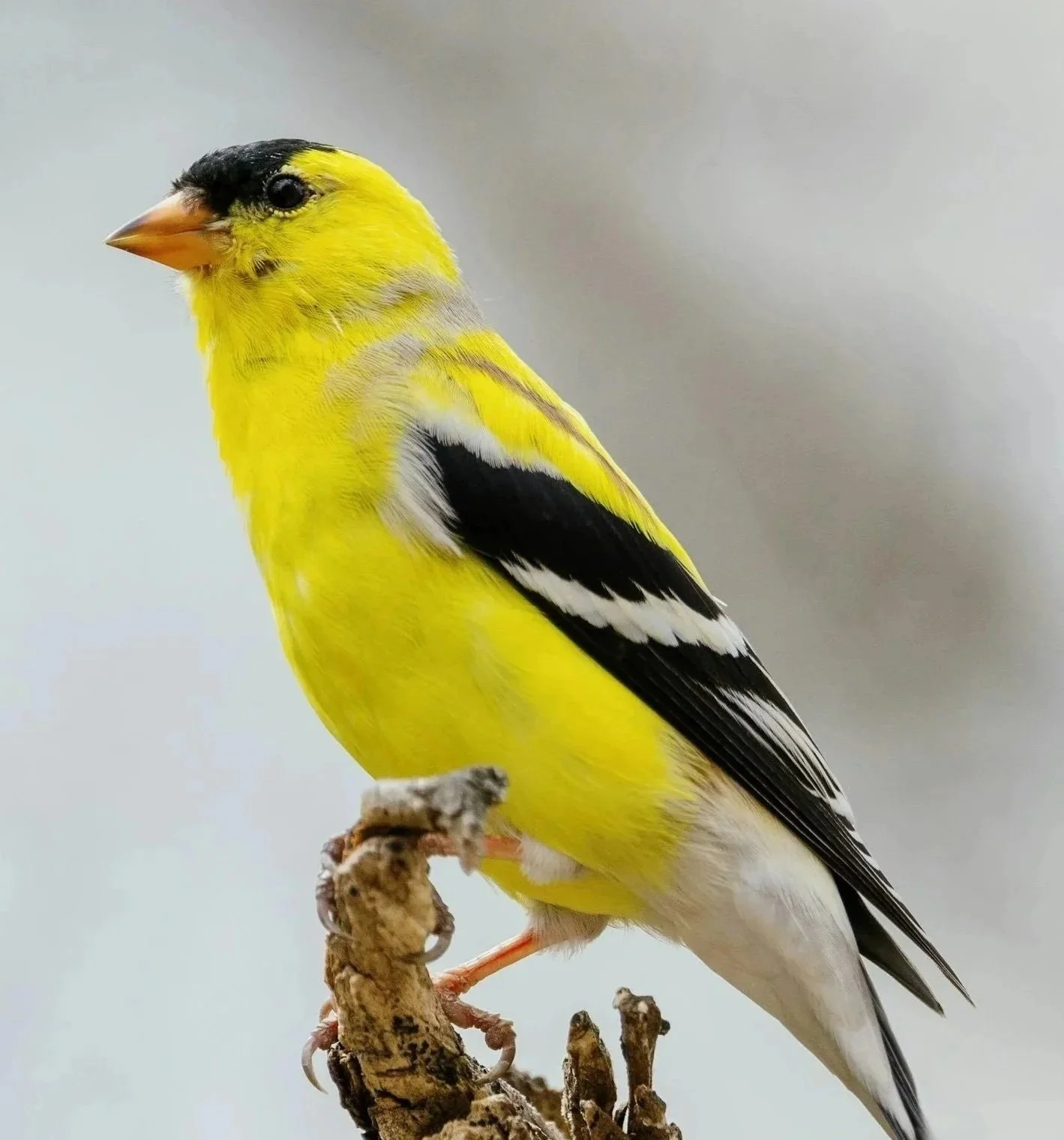
goldfinch in summer
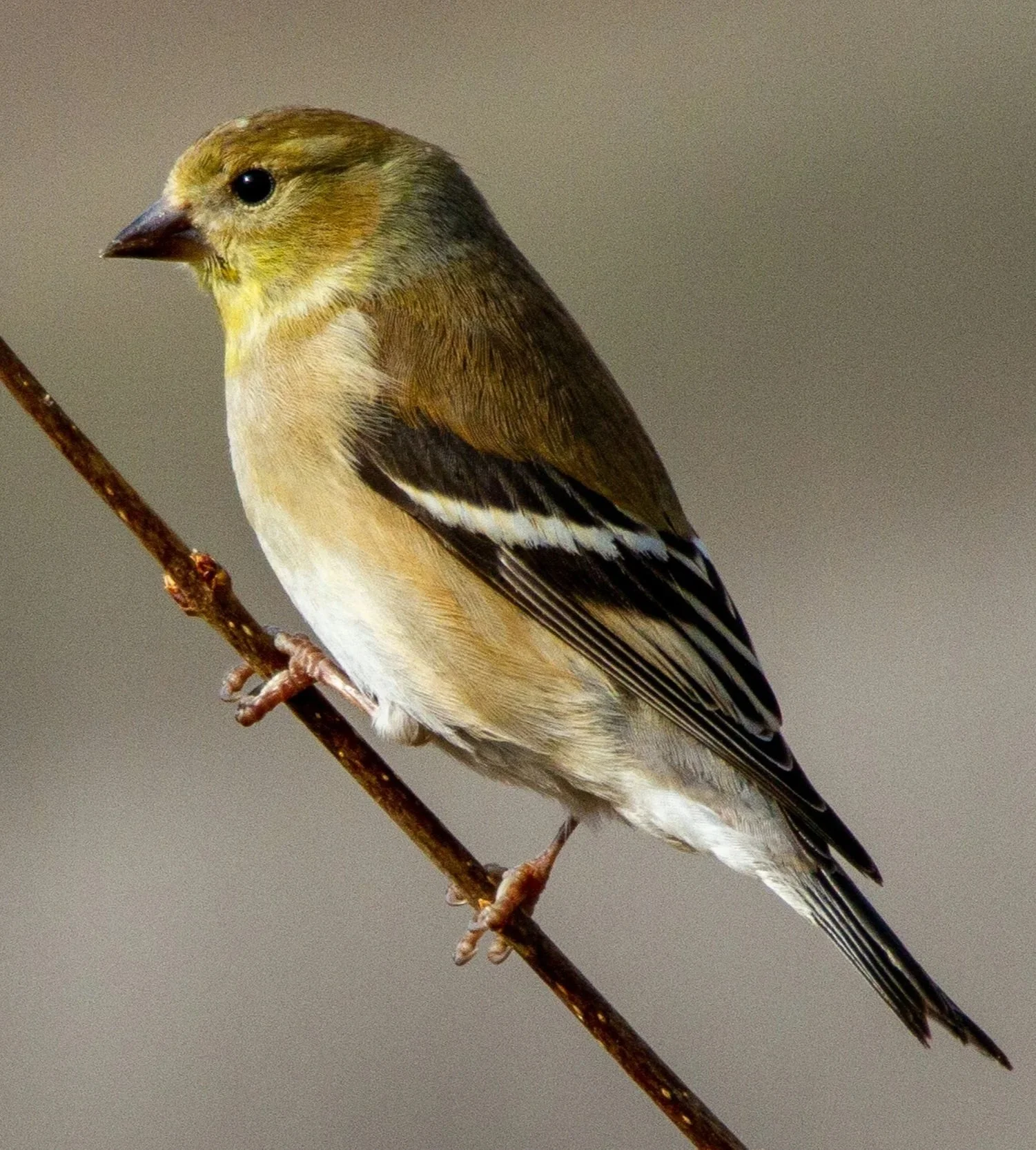
goldfinch in winter
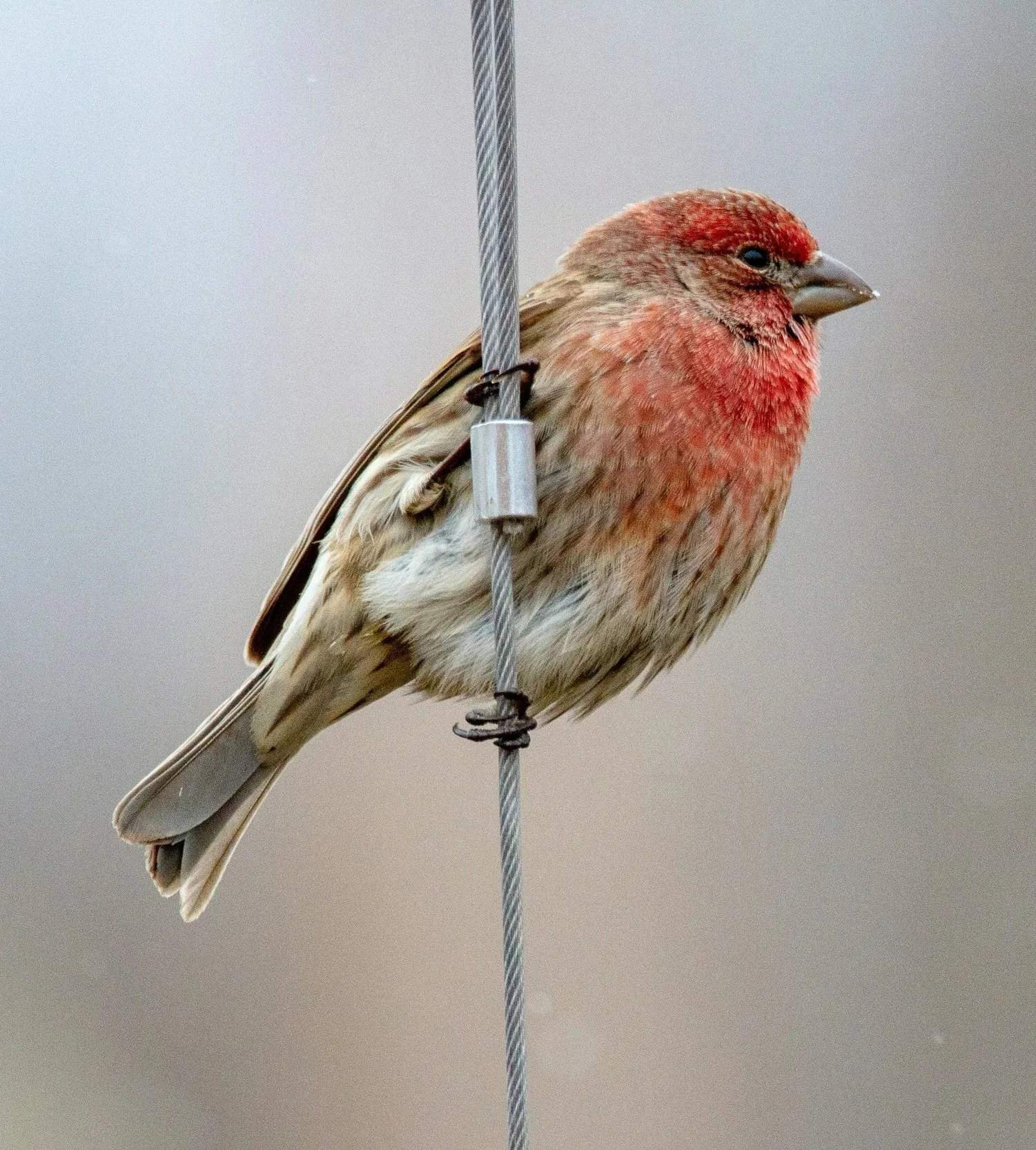
house finch
Is “Thistle” the Same as Nyjer?
This is one of those bird-feeding words that gets confusing.
A lot of people call it “thistle,” but the seed most commonly used for finches is actually Nyjer, a name that was trademarked by the Wild Bird Feeding Institute in 1998 to avoid confusion.
Nyjer is not the same plant as the thistle you might see growing wild. It is a small black seed from a plant called Guizotia abyssinica, and it has traditionally been grown in places like Ethiopia, India, and other warm growing regions. Yes, it is imported, so that can cause some supply issues at times, but it is truly the best seed to feed finches in North America.
The name “Nyjer” became common in the bird-feeding world partly to avoid confusion with true thistle seed. But in everyday conversation, many people still use “thistle” and “Nyjer” interchangeably.
So if you ask for thistle seed, most bird stores know you mean Nyjer.
Why Do Finches Like Nyjer?
Nyjer is tiny, but it’s packed with oil and energy. That makes it especially appealing to small birds like goldfinches, siskins, and redpolls.
Because the seed is so small, it’s easy for finches to handle. And because it’s rich, it gives them a lot of energy without needing to eat large pieces of seed.
That said, Nyjer is a little different from some other bird seed. It has a shorter shelf life and can lose appeal if it sits too long or gets damp. If your finches suddenly stop eating it, the problem may not be the birds—it may be the seed.
What Kind of Feeder Works Best?
Nyjer needs a feeder designed for very small seed.
Regular tube feeders usually have ports that are too large, so the seed can spill out or get wasted. Finch feeders use smaller openings or mesh so birds can pull out just a little at a time.
Common finch feeder options include:
small-port tube feeders (what I use at home)
mesh or screen feeders
finch socks
upside-down finch feeders
Finch socks can work well, but they also get wet more easily, so placement and weather matter. Tube feeders and screen feeders often provide a little more protection and structure.
There isn’t one perfect feeder for everyone. It depends on where you want to hang it, how many birds are visiting, and how often you want to refill or clean it.
Keep Nyjer Fresh and Dry
This is probably the biggest tip.
Nyjer does not like moisture.
If it gets damp, it can clump, spoil, or simply become less appealing to birds. Because it is high in oil, freshness matters quite a bit.
A few simple habits help:
buy amounts you’ll use reasonably quickly
don’t overfill the feeder if activity is light
place feeders where they have some protection from heavy rain
shake out old or clumped seed before refilling
clean feeders regularly
It’s better to refill smaller amounts more often than to pack a feeder full and let seed sit too long.
What Else Do Finches Eat?
Nyjer is a favorite, but it’s not the only option.
Goldfinches and other finches will also eat sunflower chips, especially when offered in a feeder that keeps the seed clean and dry. Some people prefer sunflower chips because they are easy to use and attract a wider variety of birds.
Nyjer tends to be more finch-focused. Sunflower chips may bring finches along with chickadees, nuthatches, cardinals, and other backyard birds.
So it really depends on your goal.
If you want to specifically attract goldfinches, Nyjer is a great choice. If you want more variety, sunflower chips or a good finch blend may make more sense.
When Will Finches Show Up?
Goldfinches can be around much of the year, but their appearance changes with the seasons. The bright yellow males are easiest to spot in spring and summer.
They may not find a new feeder immediately. Sometimes it takes a little time for them to notice it and feel comfortable using it.
If your seed is fresh, your feeder is clean, and the placement is decent, give it a little time.
Bird feeding often rewards patience.
If You Want to Try Feeding Finches
Start simple.
Choose a small finch feeder, add fresh Nyjer or a finch-friendly option, and place it somewhere you can enjoy watching. Keep it dry, keep it fresh, and don’t worry if it takes a little time for birds to find it.
Once they do, they can be a lot of fun.
If you’re not sure which feeder or seed makes sense for your yard, stop in and ask. We’re always happy to help you sort through the options.
You can also send us a question here: Contact Us